
Chessfire: Shotgun Chess
Lumid Labs UG (haftungsbeschränkt)Strategy
4.5161.00 Reviews
- Version
- 1.21.1
- Installs
- 100.00K
- Age Rating
- Everyone
Screenshots
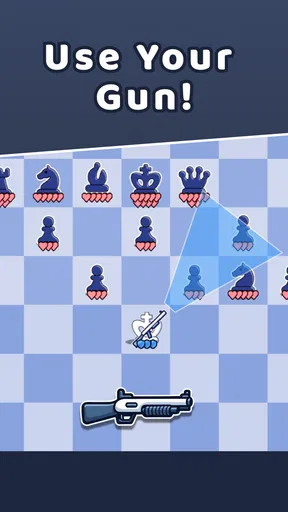
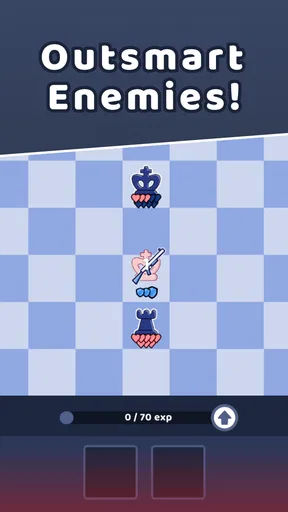
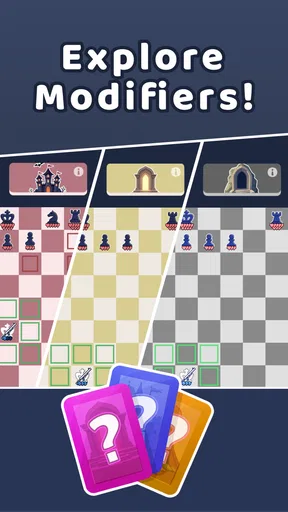
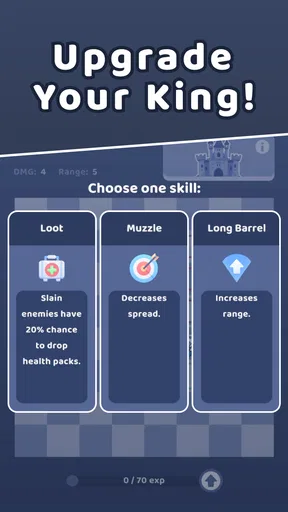
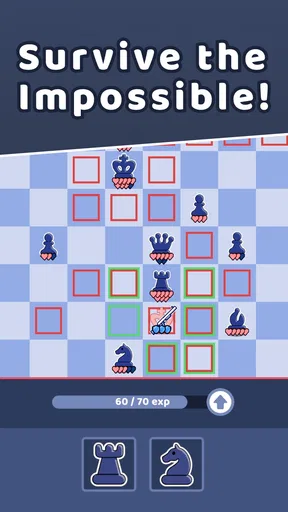
Our Review of Chessfire: Shotgun Chess
 Analysis by Appyee
I went into Chessfire: Shotgun Chess expecting a familiar board game with a louder, more aggressive personality. That is broadly what the experience suggests: it is a free strategy game built around chess, but its identity is clearly aimed at players who want the tension of a tactical battle rather than a quiet study session. The store summary, “Blast Your Way to Victory!”, sets that tone without needing much explanation.
What makes it worth discussing is the balance between recognizable chess thinking and the pressure created by a more action-focused presentation. I found the idea appealing because it can attract people who normally avoid traditional chess, while still giving experienced players something to think about. At the same time, anyone looking for a complete replacement for a standard chess client should approach it with the right expectations. This feels like a distinct game inspired by chess, not simply a cleaner version of a conventional board and clock.
How the game feels when you first start playing
The basic appeal is easy to understand. You are still dealing with the importance of position, timing, threats and consequences, but the framing encourages a more forceful mindset. Instead of treating every move as part of a long academic exercise, I found myself reading the board in terms of immediate opportunities: where pressure is building, which piece is exposed and whether an apparently attractive attack could leave my own position vulnerable.
That shift matters for newcomers. Traditional chess can feel intimidating because players often believe they need to memorize openings before they are allowed to enjoy a game. A more explosive presentation lowers that barrier. You can approach each match as a series of practical decisions rather than as a test of whether you know established theory. For a friend who enjoys strategy games but has never stayed with ordinary chess, this is the kind of angle I would recommend trying first.
Experienced chess players may have the opposite reaction. The familiar pieces and strategic vocabulary provide a comfortable foundation, but the surrounding identity may feel less serious than a dedicated chess platform. If your main goal is tournament preparation, detailed analysis or a calm environment for studying endgames, a conventional chess app will probably serve you better. Chessfire is more interesting when you want chess ideas delivered with extra urgency.
The game is listed under strategy, and that description fits better than calling it a simple arcade title. Even when the presentation feels energetic, the useful skills remain mental ones. You need to compare options, anticipate replies and recognize when a short-term gain creates a larger problem. I liked that tension because it gives the matches a reason to stay engaging after the novelty of the theme wears off.
Who is likely to enjoy it most
I see three especially good audiences. The first is the casual player who likes board games but wants something less formal than a standard chess program. The second is the strategy fan who enjoys learning through experimentation instead of beginning with lessons and notation. The third is the returning chess player who wants quick, focused games with a more dramatic mood.
It is less suitable for someone who wants a completely traditional experience. If you are searching for a digital replacement for a physical tournament set, a study tool for opening preparation or a quiet way to replay famous positions, this is not the direction I would choose. The game’s strongest quality is its personality, and that same personality may be distracting if your priority is strict classical presentation.
Its Everyone age rating also makes the concept approachable for a broad audience. That does not mean every player will enjoy the same level of strategic pressure. Younger or completely new players may still need time to understand why a move that looks powerful can be strategically poor. I would treat the game as accessible in tone, not automatically easy in depth.
A realistic everyday session
Imagine having ten minutes before leaving for work or while waiting for an appointment. A conventional chess match can be awkward if you are worried about losing your place or committing to a long, thoughtful game. Chessfire’s compact tactical identity makes that spare moment feel more usable. I could start with the intention of playing one focused match, identify a dangerous exchange, make a mistake and still come away with a clear lesson about reading threats earlier.
The useful habit is to give each move a quick three-part check. First, ask what the opponent is threatening right now. Second, look for the strongest forcing move available to you. Third, consider the reply that would make your idea fail. This routine is more practical than trying to remember a long list of opening moves, and it fits the game’s direct, pressure-heavy character.
Another good use case is playing with a friend who finds normal chess too slow. The explosive theme gives you something to talk about immediately: whether an attack was worth the risk, whether a sacrifice was deliberate and whether the board became too open too soon. That conversational quality can make the game more welcoming than a silent match against an unfamiliar interface.
Progress, pressure and the cost of experimenting
The most important question for a free game is not simply whether it costs nothing to install. It is whether the design makes me feel pushed toward spending before I have understood the game. Chessfire includes in-app purchases ranging from $1.99 to $99.99 per item, so the spending range is significant enough to deserve attention before you commit time to it.
I would not automatically treat the presence of purchases as a problem. Free-to-play games need a way to support development, and optional spending can be reasonable when it does not interfere with the core experience. The practical issue is how the purchase structure interacts with progress and competition. A player should be able to learn the game, make mistakes and improve without feeling that a payment is the solution to every frustrating moment.
Because the purchase range includes both a low entry point and a much larger top end, I recommend treating the game as free to try rather than assuming the entire experience will remain cost-free. That is especially important for younger players or anyone sharing a device. Before settling in, I would check the purchase controls on the device and decide in advance whether spending is allowed. That simple step prevents an enjoyable experiment from becoming an unwanted bill.
The pressure in a strategy game also comes from performance, not only from purchases. Chess encourages players to attach meaning to every mistake, and a more forceful presentation can amplify that feeling. I found it helpful to separate a bad result from a bad decision. If I lost because I ignored a threat, the useful response was to identify that habit. If I kept replaying the match only to undo the loss emotionally, the game stopped being productive.
One of my favorite ways to use this kind of title is as a short decision-making exercise. I would set a personal rule not to restart after an error. That forces me to practice recovery, which is a real strategic skill. A lost piece does not always mean the position is hopeless, and learning when to simplify, defend or create a counter-threat is more valuable than protecting an unbroken win streak.
Spending and the learning curve
For a new player, spending early would be a poor substitute for understanding the board. The first priority should be learning how the game’s chess-based decisions work and discovering which mistakes happen repeatedly. If a purchase offers convenience, presentation changes or another optional benefit, it may be worth considering later, but I would not use money to avoid the uncomfortable stage where improvement requires losing.
For an experienced player, the calculation is different. A veteran may know quickly whether the game’s style is enjoyable enough to justify optional purchases. Even then, I would keep the spending decision separate from competitive confidence. Paying for something should improve personal enjoyment, not create the expectation that it guarantees better results. Strategy remains strategy, and no purchase can replace careful reading of the position.
Fairness when the board becomes competitive
Fairness is where I would pay the closest attention before recommending the game for serious competition. In a chess-based title, players naturally want the outcome to reflect decisions rather than spending power. If optional purchases affect the strength of a player’s position, access to competitive opportunities or the ability to recover from mistakes, that would change how I judge the experience. I would be comfortable with cosmetic or convenience-focused spending; I would be much more cautious about anything that creates a direct gameplay advantage.
The important distinction is between a game that uses chess as a theme and one that expects players to treat every match as a pure test of chess skill. Chessfire’s aggressive identity suggests that it may be designed for the former audience, so I would not compare it too closely with a formal rating environment. For casual competition, the right question is whether both players understand the same rules and have comparable access to the tools that influence a match.
If you are playing against friends, agree on expectations before the first serious session. Decide whether purchases are off-limits, whether experimentation matters more than winning and whether a match should be treated as a quick challenge rather than a definitive measure of ability. This sounds simple, but it prevents disagreements when one player approaches the game as chess and the other approaches it as a broader action-strategy experience.
There is also a fairness issue for beginners. A strong player can make a new player feel helpless without technically doing anything wrong. I would recommend informal handicaps based on goals rather than hidden advantages: for example, asking the stronger player to prioritize unusual plans or to explain a key mistake afterward. That keeps the match competitive while preserving the learning value.
My practical advice is to judge fairness through repeated play, not through a single frustrating loss. Notice whether improvement comes from better decisions, whether matches remain understandable after mistakes and whether spending feels optional rather than necessary. Those observations tell you more than the existence of a purchase button by itself.
How it compares with ordinary chess alternatives
A standard chess app is usually the better choice for disciplined study. It tends to make notation, analysis and long-term improvement the center of the experience. Chessfire appeals in a different way: it gives chess a more dramatic wrapper and may be easier to recommend to someone who finds traditional interfaces cold or overly serious.
It also differs from casual puzzle games. A puzzle normally isolates a correct answer, while a match requires you to manage changing threats and imperfect information about the opponent’s intention. That makes the game more demanding than a collection of one-move challenges, even if the presentation feels more playful than a classic chessboard.
Compared with a pure action game, the attraction here is patience. You cannot rely only on quick reactions or visual excitement. The best moments come from recognizing a pattern before it becomes obvious, choosing when not to attack and turning an opponent’s aggressive move into a weakness. Players who need constant movement may find the board restrictive, while strategy fans may appreciate that every decision has room to echo through the position.
What I would check before committing
I would begin by confirming that the device meets the minimum operating requirement of Android 7.0 or later. The current version is 1.21.1, and keeping the app updated is sensible for compatibility and any changes made by Lumid Labs UG (haftungsbeschränkt). I would also make sure there is enough uninterrupted time for a match, because a strategy game is more enjoyable when I can think instead of rushing every move.
The next question is whether you want a chess lesson or a chess-flavored challenge. If you want to improve formal fundamentals, use a dedicated learning resource alongside this game rather than expecting it to replace one. If you want a fresh way to practice threat recognition and decision-making, it makes more sense as a companion. That distinction can save you from judging it unfairly for not being something it was never trying to be.
I would also test the game with purchases mentally separated from the first play session. Play long enough to decide whether the core loop itself is enjoyable. If the answer is no, spending will not repair that problem. If the answer is yes, wait until you understand what optional items actually change and whether those changes matter to the way you play. This is particularly important when the available items can reach $99.99.
Another question is whether you can handle a game that may make losses feel more dramatic. I enjoy pressure when it helps me focus, but I do not recommend this style to someone who already finds chess stressful. A calmer alternative may be better for learning, especially if your goal is to build confidence. On the other hand, if ordinary chess feels lifeless and you need a stronger hook to return to the board, the presentation may be exactly what keeps you engaged.
The game has attracted an average rating of 4.5 from around 1.8 thousand ratings, and it has passed 100 thousand installs. Those figures suggest that the concept has found an audience, but they should not replace your own judgment about spending, competition or tone. I read them as a reason to try it, not as proof that every player will find the same experience satisfying.
My trust verdict after weighing the trade-offs
I came away seeing Chessfire: Shotgun Chess as a focused experiment in making chess feel more forceful and immediately approachable. Its strongest point is the combination of familiar strategic thinking with a theme that can pull casual players toward the board. I especially like it for short sessions, friendly challenges and players who want to practice recognizing danger without committing to the formal atmosphere of a traditional chess platform.
My main caution is financial and competitive rather than conceptual. The game is free, but the presence of in-app items from $1.99 to $99.99 means I would set spending boundaries before handing it to a child or treating it as a long-term hobby. I would also avoid assuming that every competitive result represents pure classical chess ability until I understood exactly how optional elements interact with play.
For me, the best approach is to use it as a lively strategy companion. Play without spending at first, keep notes on recurring mistakes, and judge the game by whether your decisions become clearer over time. If you want a rigorous training environment, choose a specialist chess alternative. If you want a more dramatic route into chess thinking, this free game from Lumid Labs UG (haftungsbeschränkt) is worth trying.
My recommendation is positive, with clear boundaries: install it if you enjoy tactical pressure and want chess presented with more personality, but keep your expectations realistic about formal study and monitor optional spending. The game works best when the excitement encourages better decisions rather than replacing them.
Verdict
Strengths of Chessfire: Shotgun Chess
- Fast matches make it easy to play during short breaks.
- Shotgun rules create fresh tactical puzzles beyond standard chess.
- Simple controls are well suited to touchscreen play.
- Quick rematches encourage experimentation with different strategies.
- The unusual format offers a fun change for experienced chess players.
Limitations of Chessfire: Shotgun Chess
- The variant may feel confusing to players expecting traditional chess.
- Limited strategic depth may reduce long-term appeal for some users.
- Finding opponents could be difficult if the player base is small.
- Fast-paced games can favor reflexes over careful calculation.
- Beginners may need time to understand the special rules.
Similar Picks in This Category
View All
Clash of Clans
Supercell4.5

Plants vs. Zombies™
ELECTRONIC ARTS3.7

Lords Mobile: Kingdom Wars
IGG.COM4.5

Clash Royale
Supercell4.4

State.io — Conquer the World
CASUAL AZUR GAMES4.1

Car Driving School : Car Games
Spark Game Studios3.9
Frequently Asked Questions
What is Chessfire: Shotgun Chess and how does it differ from traditional chess?
Chessfire: Shotgun Chess is a chess variant built around explosive, tactical attacks rather than only standard captures and positional play. Its defining feature is the shotgun-style effect, which can change the outcome of nearby pieces and make familiar openings much less predictable. The basic chess mindset still helps, but players must also consider blast range, collateral effects, and sudden tactical reversals every turn.
Is Chessfire: Shotgun Chess suitable for beginners?
Beginners can enjoy Chessfire: Shotgun Chess, although the extra mechanics may take some time to understand. New players should first learn how movement, captures, and the shotgun effect interact before attempting advanced strategies. The game is especially approachable for people who like experimenting and learning through short matches, but traditional chess players may need to adjust their habits because safe-looking positions can become dangerous very quickly.
Does Chessfire: Shotgun Chess require an internet connection?
The connection requirements can depend on the mode and version available on your device. Online matches, matchmaking, leaderboards, or other connected features normally require an active internet connection, while some local or single-player options may work offline. Before downloading, it is worth checking the store description and in-game settings, particularly if you plan to play while traveling or with limited mobile data.
Can I play Chessfire: Shotgun Chess against friends or other players?
Chessfire: Shotgun Chess is designed to be most enjoyable when testing your tactics against another person, whether that means a friend or an online opponent. Available multiplayer options can vary between releases and platforms, so players should confirm whether private rooms, invitations, local play, or public matchmaking are supported on their device. Multiplayer is a strong reason to try the game because every opponent may approach the explosive mechanics differently.
Is Chessfire: Shotgun Chess free to download, and does it include purchases or advertisements?
The download model, advertising, and optional purchases may differ depending on the Android or iOS version and the region where the app is offered. Check the official store listing for pricing information before installing, then review the permissions and purchase details shown there. If the game offers cosmetic items, extra modes, or other optional content, those additions should not be confused with the basic ability to try the core gameplay.
Play our best games!


